
Women’s Autonomy and Economic Dependence
The War of the RosesThis thread examines Barbara Rose’s effort to claim independence while confronting the financial and social structures that continue to constrain her choices.
increasing Bearing strength in each event
 decreasing
Bearing strength in each eventdecreasingEducation Given Up
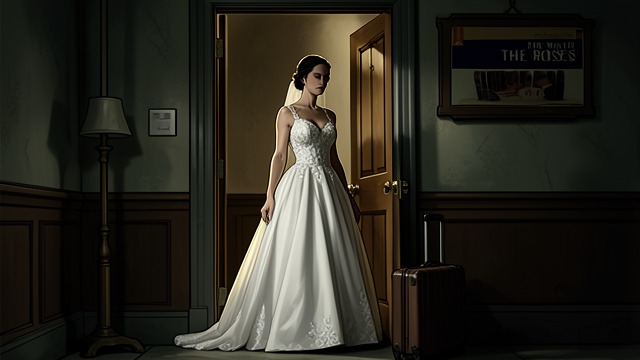
Education Given Up
A Sacrifice for Partnership
Barbara Rose leaves college to marry Oliver Rose and support the life they plan together. Her choice reflects an era in which romantic commitment can appear more important than maintaining an independent path.
A Deferred Future
For years, the meaning of the sacrifice remains submerged in family duties and shared projects. When the marriage ends, Barbara Rose must reckon with the education and possibilities she set aside.
A Business of Her Own
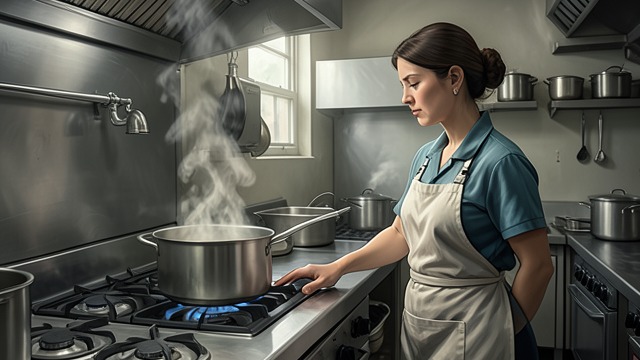
A Business of Her Own
Domestic Skill Becomes Work
Barbara Rose turns cooking into a catering business, using a kitchen designed for commercial production. She wants professional recognition and income beyond the role of wife and mother.
Independence with Unequal Resources
Oliver Rose has supported the kitchen project, but Barbara Rose still lacks experience with financing, bookkeeping, and customer payment. The effort begins with ambition but operates within economic limits she has not yet mastered.
The Settlement as Security
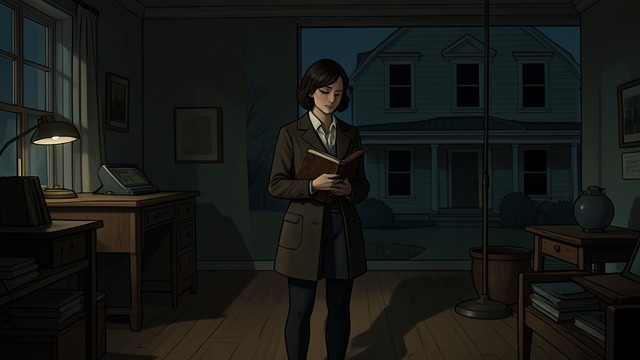
The Settlement as Security
A Claim for Unpaid Labor
Barbara Rose argues that years of domestic contribution helped build Oliver Rose’s career and the family’s wealth. She seeks the home as security for a future in which her earning power is lower.
Equality Remains Contested
Her demand challenges a simple division of assets by market value. The claim also reveals how autonomy can depend on property when a spouse has spent years outside conventional career advancement.
The Market’s Resistance
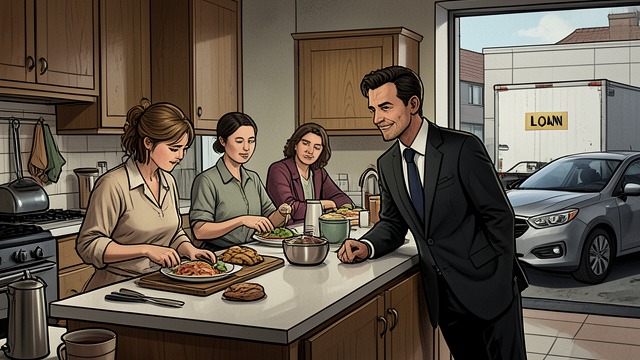
The Market’s Resistance
Work Is Not Enough
Barbara Rose encounters delayed payments, short-term suppliers, and reluctance from lenders. Her cooking may attract clients, but the business does not immediately provide stable income.
Gender Shapes the Encounter
She experiences condescension from a supplier and an inappropriate proposition from a bank employee. These encounters show that formal freedom does not remove the unequal assumptions she must navigate.
Freedom Entangled with the House
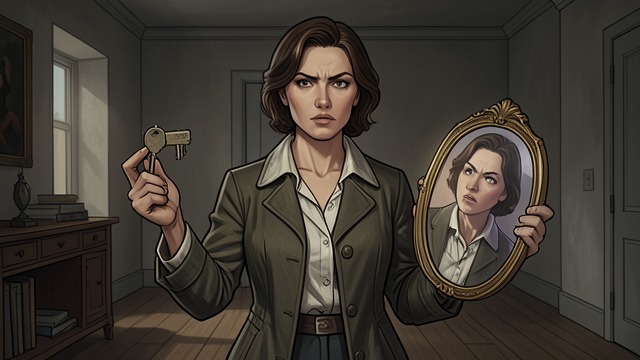
Freedom Entangled with the House
A New Self-Image
Barbara Rose takes pride in asserting herself and refuses to return to a dependent role. She believes that holding the home will secure the lifestyle and recognition she has earned.
Independence Narrows
Her freedom becomes tied to control of the same domestic property she hoped to leave behind emotionally. The pursuit of autonomy hardens into a demand that leaves less room for compromise or a life beyond the dispute.
At the time of Barbara Rose’s early marriage
As the children become more independent
During negotiations over the home and marital property
During Barbara Rose’s first serious cash-flow difficulties
In the months leading toward the final confrontation
